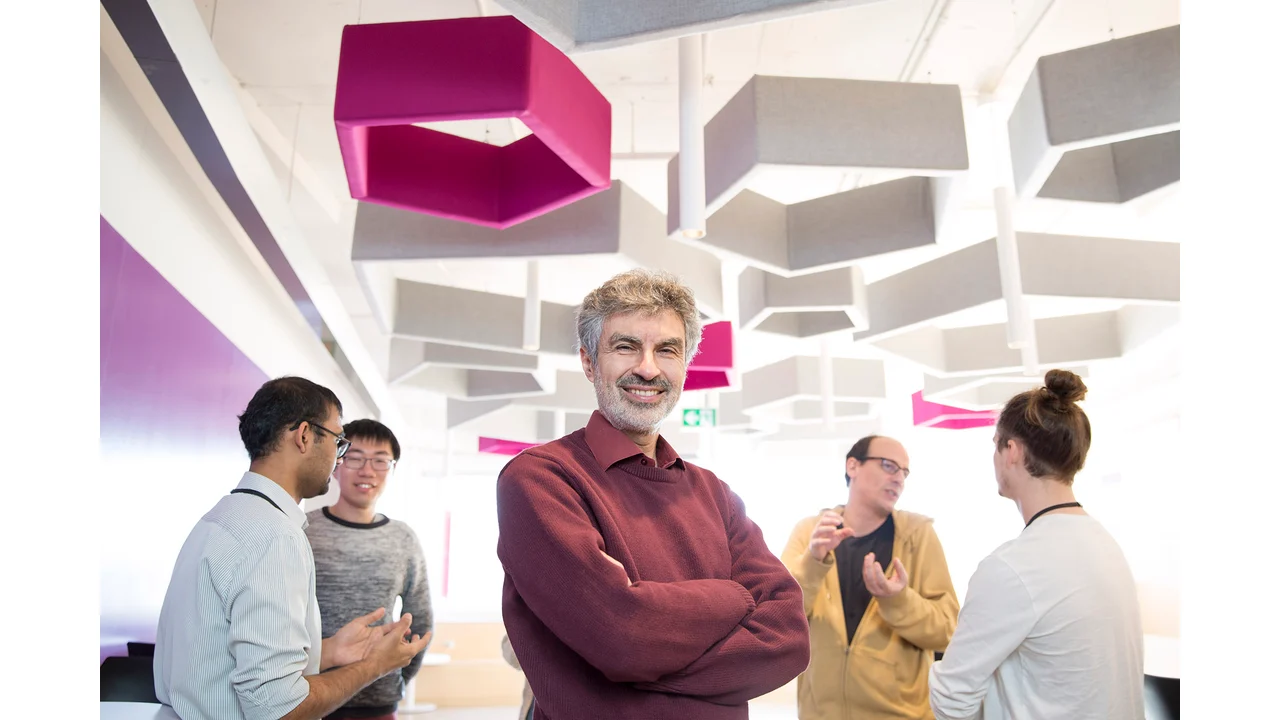
On September 16, 2026, Canada and Germany announced planned investments in Montréal nonprofit LawZero: CAD 150 million from Canada and EUR 100 million from Germany. The federal release says Germany’s funding is subject to European Commission notification. Keep the currencies and conditions visible rather than adding the figures as if they were already-disbursed Canadian dollars.
The funded work has a specific research direction
The government says support will go toward research and engineering talent and compute for Scientist AI. LawZero describes the approach as reasoning toward evidence-based answers without pursuing goals of its own, and says the next phase includes Canadian compute infrastructure with Hypertec and 5C and a Berlin office. These are descriptions from the funder and recipient, not independent proof of technical performance.
LawZero’s own release presents the combined commitment as up to CAD 300 million. That is its combined headline framing. The original currency amounts are more precise for understanding the two governments’ commitments; disbursement, implementation and results will need separate reporting.
Related sources: ISED: Canada–Germany LawZero announcement ↗ · LawZero: joint funding commitment ↗
How this differs from a general AI-safety debate
The concrete story is a funded organization pursuing a particular design, with named infrastructure plans. That makes it distinct from commentary about whether frontier AI is safe in general. A research direction can be promising and still have unsolved problems; a budget cannot answer the scientific question.
For Canadian readers, domestic talent and computing arrangements are relevant, but location and technical reliability should be assessed separately. A locally operated system can still give an incorrect answer. A model with a safety-oriented architecture still needs clearly defined tests and independent inspection.
Ask what a safety claim covers
Our evaluation checklist begins with a specific system version, the tasks tested and the failures the method is supposed to prevent. Ask how uncertainty is expressed, what happens when evidence is incomplete and whether a tool can be used safely outside the tasks on which it was evaluated.
If Scientist AI is used to oversee another system, test whether it catches realistic failures without overwhelming reviewers with false alarms. Record which actions remain human-controlled and how a review can be overridden. These are proposed evaluation questions, not published results of the funded project.
Separate planned inputs from demonstrated outcomes
Milestones worth tracking include research publications, reproducible evaluations, infrastructure becoming operational and the availability of tools to outside testers. Report funding committed and funding spent separately. For employment, distinguish a project’s announced job goal from positions verified as filled.
This investment gives the research agenda resources and a bilateral setting. Whether the approach delivers reliable systems remains an empirical question. Future reporting should connect claims to evidence rather than turn the phrase safe by design into an assurance about every possible use.
Sources and editorial method
We use the linked original statements and reports to distinguish documented facts from our analysis. Company announcements describe their authors’ plans and claims; they are not independent verification of future outcomes. This article is dated and will be revised if material evidence changes. Read our editorial standards and corrections process.
- ISED: Canada–Germany LawZero announcement ↗ — September 16 funding amounts, condition and research purpose.
- LawZero: joint funding commitment ↗ — Recipient account of research and infrastructure plans; not independent technical validation.