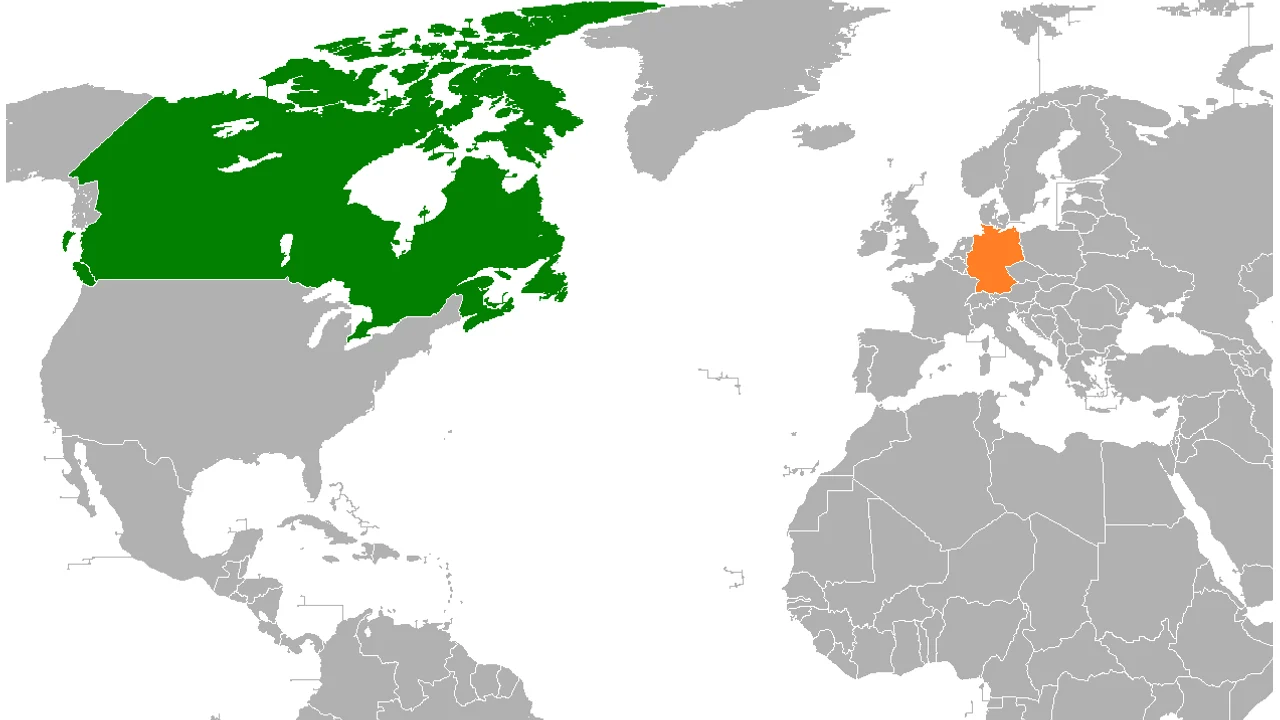
A September 17, 2026 Canada–Germany statement described the first Sovereign Technology Alliance co-chair meeting, held the previous day in Montréal. It said the countries were working toward a launch with founding members in the coming months. This is an organizational milestone, rather than an announcement of completed compute infrastructure.
Why February and September both use launch language
The February 14 announcement introduced the alliance alongside an AI declaration of intent. It described cooperation on secure compute, research and commercialization, and talent. The September statement discussed prospective members and operationalizing the platform. Read together, they distinguish announcing a framework from putting its membership and work into operation.
The two statements are official accounts of policy intentions. They do not independently establish the effectiveness of the alliance. Neither statement should be treated as a general application portal for Canadian startups or as proof that shared services are ready to order.
Related sources: ISED: September co-chair statement ↗ · ISED: February alliance announcement ↗
What a Canadian organization should look for
For a research team, useful implementation details would include access criteria, supported workloads, allocation procedures and technical support. For a company, pricing, service terms and intellectual-property arrangements may matter more. For a public institution, governance and responsibility for sensitive information need to be clear.
These are questions for future operating documents, not announced benefits we can assume today. A business should continue evaluating its current needs against services it can actually obtain. An international policy framework can broaden options without removing the need for ordinary procurement checks.
Cooperation and control need specific definitions
Our analytical distinction is between having more partners and having more control over a workload. An arrangement can improve choice, but the buyer still needs to know who hosts information, who can access it and how a supplier can be replaced. A flag on a partnership announcement does not settle those details.
When future projects are announced, map responsibility for infrastructure, software, support and incident response. Identify the commitments that are contractual and the goals that remain aspirational. This makes the discussion of sovereignty practical enough for institutions to evaluate.
A useful scoreboard for the alliance
Watch for a published founding membership, decision-making rules, funded work, access arrangements and dated delivery milestones. Distinguish a cooperation statement from a signed project agreement, and a project agreement from a service in use. Outcomes should be attributable to a specific activity rather than inferred from the number of meetings.
The current record supports a story about the development of cooperation. The next story should be about what participants can do through it, with documents and measured results. That is how a diplomatic initiative becomes meaningful to the Canadians it aims to serve.
Sources and editorial method
We use the linked original statements and reports to distinguish documented facts from our analysis. Company announcements describe their authors’ plans and claims; they are not independent verification of future outcomes. This article is dated and will be revised if material evidence changes. Read our editorial standards and corrections process.
- ISED: September co-chair statement ↗ — September 17 account of the previous day’s meeting and prospective founding launch.
- ISED: February alliance announcement ↗ — February 14 framework announcement; policy intentions, not an outcome evaluation.