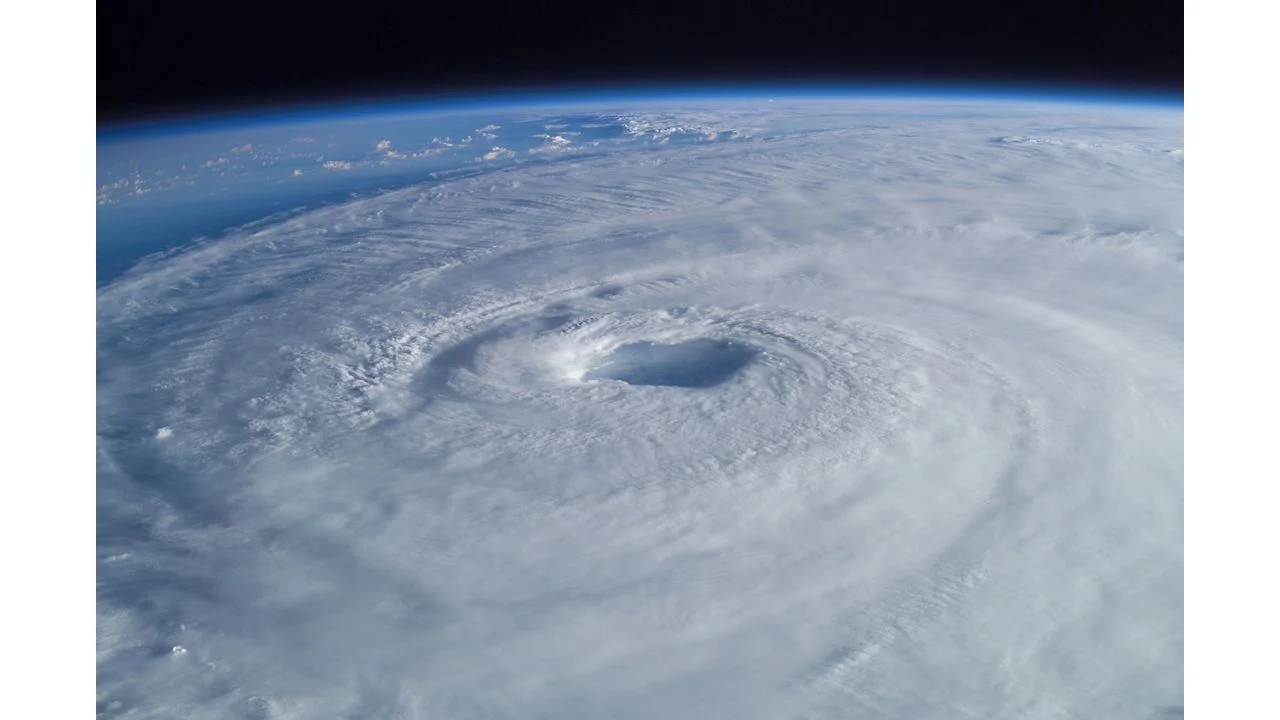
Google introduced WeatherNext 3 on September 3, 2026, and highlighted it again in its October 2 AI roundup. The model incorporates real-time satellite observations and produces new forecasts hourly. This article examines that September release; it does not present the model as a new October launch.
The central change is how quickly the system can use observations and how much local detail it can represent. For Canadian readers planning work, travel or energy operations, the useful question is whether that detail improves the forecast for their location and decision horizon.
Resolution varies by the predicted variable
Google describes key surface variables at five-kilometre resolution, other surface variables at ten kilometres and atmospheric variables at twenty-five kilometres. A single resolution number therefore does not describe every layer. The research paper also describes station-level predictions conditioned on geographical features.
A finer grid is not a promise of an exact street-level forecast. Local terrain, lake effects and rapidly changing conditions can still complicate interpretation. Compare the same variable, forecast lead time and location when evaluating two systems, rather than infer accuracy from a smoother or more detailed display.
Related sources: Google WeatherNext 3 release ↗ · WeatherNext 3 research paper ↗
Forecasts should help a decision handle uncertainty
Weather models are useful when they distinguish a likely outcome from plausible alternatives. A business scheduling outdoor work may care about the probability and timing of rain, while an energy operator may need wind or solar variables. The relevant metric depends on the decision being made.
Keep a record of forecasts as they were issued, then compare them with observations. A later updated forecast should not replace the original when evaluating advance planning. Include difficult events and misses, not only routine days when most systems agree.
How to use the new model responsibly
Google says WeatherNext 3 is integrated across products including Search, Gemini, Maps and Cloud. Product presentation and access can vary, so identify the actual forecast source and timestamp in the interface being used. An AI explanation of weather is a separate layer from the numerical forecast underneath it.
For safety decisions, continue to consult official Canadian warnings and the relevant local authorities. The research is an advance to examine, not a reason to disregard an alert. The best follow-up evidence will show how forecast skill changes across regions, variables and lead times that Canadian users actually rely on.
Related sources: Google WeatherNext 3 release ↗
Sources and editorial method
We use the linked original statements and reports to distinguish documented facts from our analysis. Company announcements describe their authors’ plans and claims; they are not independent verification of future outcomes. This article is dated and will be revised if material evidence changes. Read our editorial standards and corrections process.
- Google WeatherNext 3 release ↗ — September 3, 2026; hourly forecasts, variable-specific resolution and product integrations.
- WeatherNext 3 research paper ↗ — Primary methods and reported results; a research claim rather than a guarantee for every local forecast.